
A History of Horror Comics: From the Crypt to the Present

Horror comics didn't just appear out of nowhere. They clawed their way into existence — ugly, disreputable, and absolutely irresistible — and they've been haunting us ever since. I've spent more years than I care to admit buried elbow-deep in these frightful funnybooks, and if there's one thing I know for certain, it's this: the history of horror comics is one of the wildest, most contentious, and genuinely thrilling stories in all of pop culture.
I. The Early Days: Something Wicked This Way Slithers
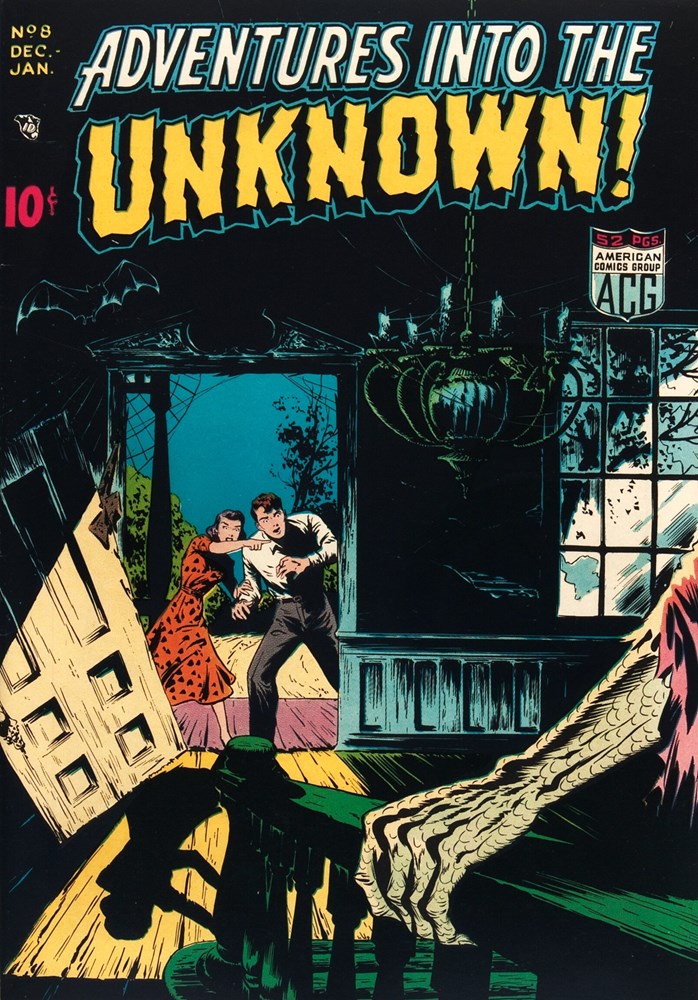
Horror first showed up on the comics scene in the 1940s, and it arrived looking like it hadn't slept in days. Titles like Adventures into the Unknown and Eerie Comics were doing something genuinely strange for the time — publishing supernatural stories with actual teeth to them, twist endings and all. These weren't prestige publications. They were pulpy, cheap, sometimes crudely drawn... and absolutely addictive. Readers loved them. More importantly, they kept loving them, which told publishers there was real blood in the water here (pun intended, obviously).
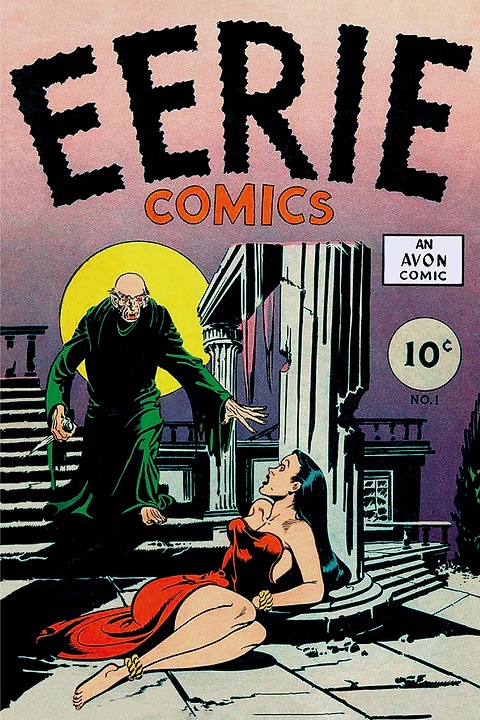
The formula was simple and ruthlessly effective: set up a story, let some poor bastard make one catastrophically bad decision, and then drop an O. Henry ending on readers like a guillotine blade. Cheap? Sure. Satisfying? Every single time. Those early horror comics were the foundation everything else got built on — and they deserve way more credit than they typically get.
II. The Golden Age: EC Comics and the Glorious Bloodbath
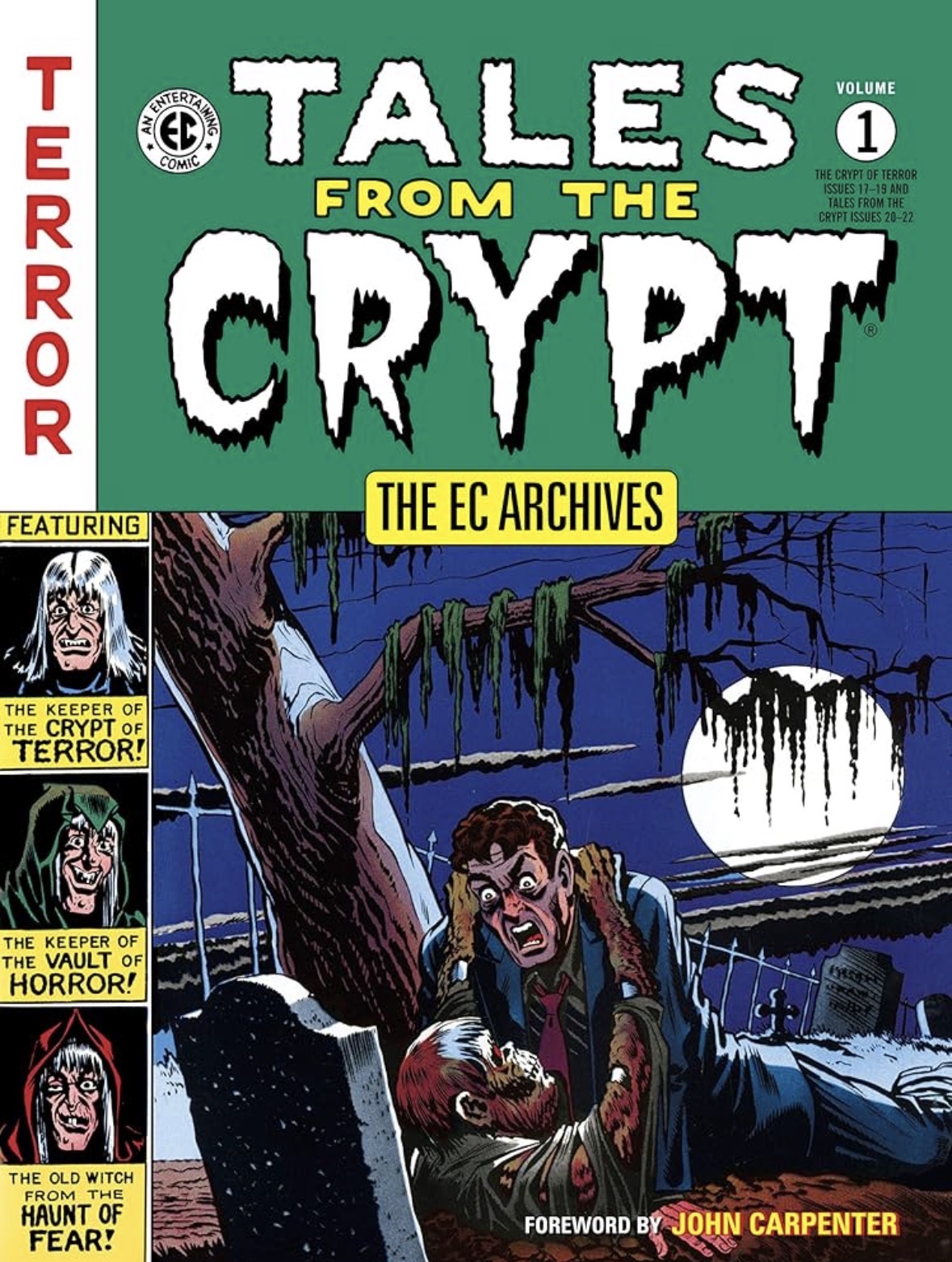
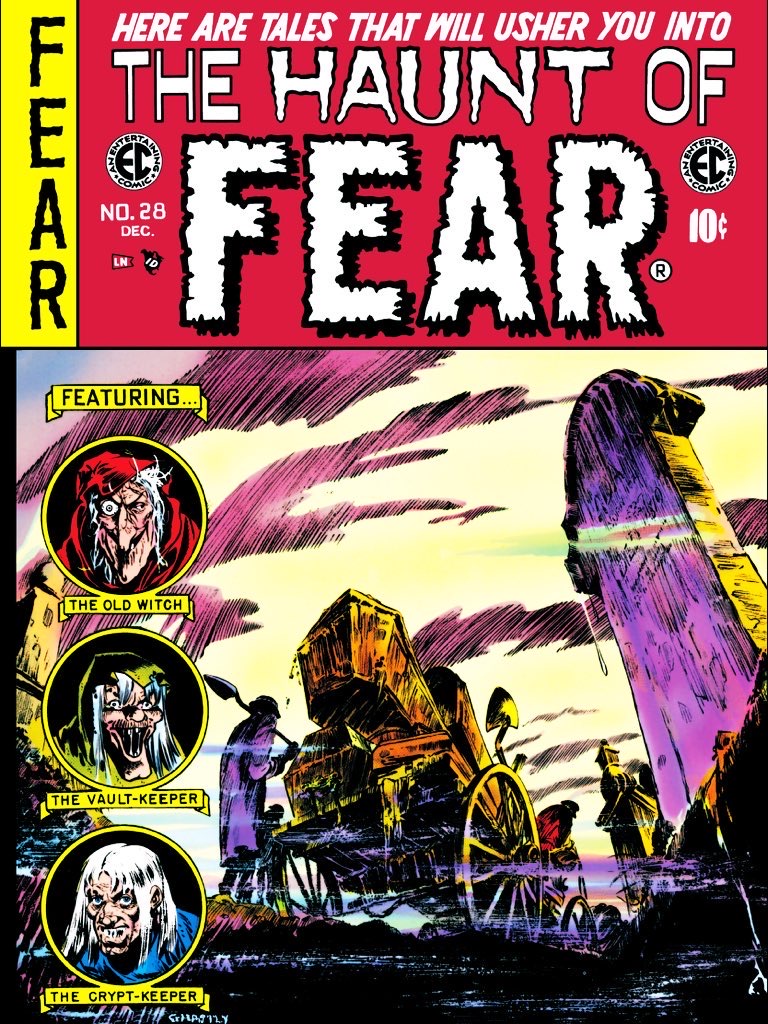
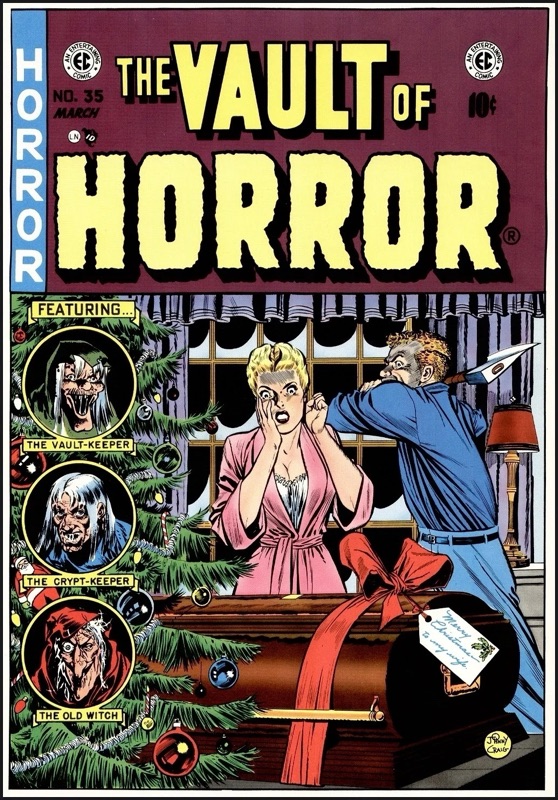
Now here's where things get interesting. The 1950s were horror comics' true golden age, and it had everything to do with one publisher: EC Comics. Tales from the Crypt. The Vault of Horror. The Haunt of Fear. These books were nasty — gleefully, unapologetically, inventively nasty — and they were brilliant. Al Feldstein, Jack Davis, Graham Ingels ("Ghastly" Graham Ingels, appropriately enough)... the talent working these books was extraordinary. The stories had wit. They had irony. And yes, they had eyeballs getting plucked out and bodies getting dissolved in acid, which was apparently too much for certain people to handle.
Enter the Comics Code Authority — or as I think of them, the people who broke the party up just as it was getting good.
The Comics Code Authority: History's Most Successful Buzzkill
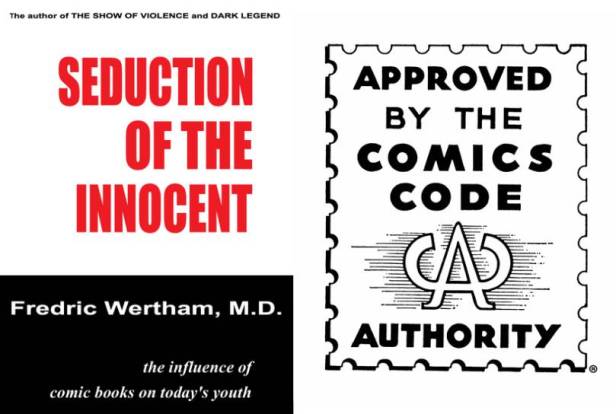
The CCA came into being in 1954, largely thanks to psychiatrist Fredric Wertham and his notorious book Seduction of the Innocent, which basically blamed comic books for everything wrong with American youth. (Damn you, Fredric Wertham — I mean that sincerely and from the bottom of my heart.) The resulting panic led to Senate hearings, public burnings of comics, and ultimately the formation of this self-regulatory body that slapped a seal of approval on anything it deemed acceptable and effectively killed anything it didn't. EC Comics, the crown jewel of horror publishing, was gutted. Tales from the Crypt was gone. A genuinely creative moment in American publishing history got strangled in its crib.
It's infuriating, honestly, even now. The horror comics that survived had to neuter themselves to keep the lights on. The ones that refused mostly died. A dark chapter.
III. The Silver Age: The Genre Claws Its Way Back
Give horror comics this much — they don't stay dead. The 1960s and '70s saw the genre claw its way back to relevance, mostly through two avenues: Warren Publishing and Marvel Comics. Different approaches, both worth talking about.

A. Warren Publishing: The Legitimate Heir
James Warren essentially picked up where EC left off, but with a twist — he published in magazine format, which meant the CCA couldn't touch him. Creepy, Eerie, and Vampirella (that last one holds a very special place in my heart, I won't lie) were everything horror comics should be: beautifully illustrated, genuinely atmospheric, populated with stories that actually had something going on beneath the surface. Warren attracted serious artistic talent — Neal Adams, Bernie Wrightson, Richard Corben, Esteban Maroto — and the results were frequently stunning. Creepy in particular could go toe-to-toe with the best of what EC had done. High praise, and I don't give it lightly.


B. Marvel: Going Atmospheric
Marvel's approach to horror during this period was deliberately different from EC's splatter approach. Tomb of Dracula (with Marv Wolfman writing and Gene Colan on art — what a team) and Werewolf by Night traded gore for mood, leaning into the psychological weight of their monsters rather than the visceral shock of what they could do. It worked. Tomb of Dracula especially holds up — there's a reason people still talk about it fifty years later. It's moody and sprawling and surprisingly emotionally complex for a book about Dracula punching people.


C. DC: The Anthology Years
DC was doing its own thing during this period, largely through anthology titles: The House of Mystery, The House of Secrets, The Unexpected, The Witching Hour. These weren't as groundbreaking as Warren's output or as atmospheric as Marvel's best, but they were consistently solid — and more importantly, they functioned as extraordinary training grounds for talent. A staggering number of creators who'd later define comics worked their early craft on these books.


And then there's Weird War Tales, which I have to mention because it's my personal favorite DC horror title from this era — an anthology that mashed up military drama with supernatural horror in ways that should not have worked as well as they did. Ghostly soldiers. Cursed battlegrounds. The whole thing ran from 1971 to 1983, and it had a specific, grimy texture to it that I find completely irresistible. If you've never read it, fix that.


D. Vertigo: Dark Storytelling Gets Prestige
DC's Vertigo imprint launched in 1993 and changed everything. Karen Berger shepherded it into existence, and what she built was remarkable — a home for mature, challenging, formally adventurous comics that couldn't exist anywhere else at the time. Saga of the Swamp Thing (Alan Moore's run transformed that book into something legitimately literary), Hellblazer (John Constantine: paranoid, working-class, perpetually getting people killed), and of course Sandman — Neil Gaiman building a mythological epic out of dreams and stories and classical literature that somehow also managed to be genuinely frightening when it wanted to be.

Vertigo proved something important: horror comics could be sophisticated, could attract serious literary talent, could be taken seriously without losing any of their darkness. That mattered. It still matters.

IV. The Modern Era: Horror Gets Complex
Today's horror comics landscape is sprawling and often excellent — and genuinely diverse in ways the genre simply wasn't before. Image Comics and Dark Horse have been doing the heavy lifting, with titles that blend horror into other genres in smart ways.
A. The Walking Dead: Zombie Fiction That Actually Cared About People
Robert Kirkman and Tony Moore launched The Walking Dead under Image in 2003, and whatever you think of zombie fiction (I know, I know — the market got saturated), this book earned its reputation honestly. It wasn't really about the zombies. It was about what sustained trauma does to human beings, what survival costs, whether civilization is a choice or just a habit. Grim stuff, executed with real conviction. The TV adaptation became a cultural behemoth and spawned what feels like an infinite number of spin-offs, but the source material has a raw, unpolished urgency the show only occasionally captured.

B. Hellboy: Horror With a Heart
Mike Mignola's Hellboy — Dark Horse, 1993 — remains one of my favorite things in comics, period. A demon raised by humans, working for a paranormal investigation agency, punching Nazis and Lovecraftian horrors in equal measure. Sounds ridiculous. Is wonderful. Mignola's art is unlike anything else — heavily stylized, almost expressionist, built around shadow and negative space — and the mythology he's constructed over thirty-plus years is genuinely rich. The movies were decent. The comics are better. They're always better.

C. The Rest of the Modern Landscape
The current horror comics scene is deeper than it's ever been. Locke & Key from Joe Hill and Gabriel Rodriguez is inventive and emotionally devastating. Harrow County by Cullen Bunn and Tyler Crook is Southern Gothic horror at its most atmospheric. Alan Moore's Neonomicon and Providence are the most uncompromising — and genuinely disturbing — Lovecraft adaptations ever attempted. Scott Snyder's American Vampire rewired vampire mythology with style and ambition, not to mention James Tynion IV and Werther Dell’Edera's Something is Killing the Children... The list goes on. There's no excuse to be bored if you like horror comics right now.

V. Why This Genre Refuses to Die
Here's the thing about horror comics — the reason they keep coming back, keep finding new audiences, keep producing work that matters: they're doing something fiction in other forms struggles to do. The combination of image and text creates a specific kind of dread. You can't look away the way you can from a screen. The panels are there, static and permanent, giving you all the time in the world to sit with something horrible. That's a unique power. Horror comics figured out how to use it early, lost it for a while thanks to small-minded censors, fought their way back, and have been getting progressively better at weaponizing it ever since.
That's not a bad arc for a genre that started with twelve-cent anthology books and twist endings.

What's your favorite corner of horror comics history? I've deliberately left some things out (a proper Skywald section is coming — those beautiful, deranged magazines deserve their own post), so if you've got strong opinions about what should've made the cut, I genuinely want to hear it. Drop it in the comments, horror hounds.


Comments
Post a Comment